The United Kingdom has long been a magnetic north for entrepreneurs, innovators, and business professionals from across the globe. Despite the shifting geopolitical landscape, London and other major hubs like Manchester and Edinburgh continue to offer a fertile ground for commercial growth. However, for an expat looking to set up shop or expand their presence in the British market, the immigration system can feel like a labyrinth. This guide aims to demystify the UK business visa options, providing a roadmap for those ready to take the leap.
The Post-Brexit Shift
Since the implementation of the points-based immigration system, the UK has streamlined several categories to attract ‘the best and the brightest.’ The old ‘Tier 1’ routes have largely been replaced by more targeted visas designed to foster innovation and help existing overseas businesses establish a UK presence. Understanding which ‘bucket’ you fall into is the first step toward a successful application.

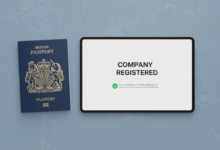




1. The Innovator Founder Visa
Replacing the previous Innovator and Start-up visas, the Innovator Founder route is the primary pathway for expats wanting to establish a new business. The most significant change in recent years is the removal of the £50,000 minimum investment requirement, making it more accessible to those with brilliant ideas but less initial capital.
To qualify, your business idea must be endorsed by an approved body. The criteria are strict: your business must be ‘innovative, viable, and scalable.’ This means it shouldn’t just be another coffee shop; it needs to offer something unique to the UK market. You also need to demonstrate that you have a significant role in the day-to-day management of the business.
2. Global Business Mobility: UK Expansion Worker
If you already run a successful company outside the UK and want to open a branch or subsidiary, the UK Expansion Worker visa is your best bet. This route is part of the Global Business Mobility umbrella. It allows senior managers or specialist employees to come to the UK to undertake work related to the business’s expansion.
Unlike the old Sole Representative visa, this route requires the overseas business to have a footprint (but not yet be trading) in the UK. One caveat: this visa does not lead directly to settlement (Indefinite Leave to Remain), though it can be a stepping stone to other routes that do.

3. The High Potential Individual (HPI) Visa
This is a unique, short-term visa for graduates of top-ranked global universities. If you graduated from a non-UK university that appears on the Global Universities List within the last five years, you might be eligible to work in the UK without a sponsor. For business owners, this is an excellent ‘entry-level’ way to explore the UK market, as it allows you to be self-employed or set up a company while you decide on a more permanent visa route.
4. The Scale-up Visa
For those looking to join or lead rapidly growing companies, the Scale-up visa is a relatively new and flexible option. To qualify, you must have a job offer from a UK company that meets ‘scale-up’ criteria (e.g., 20% annual growth in turnover or staff over a three-year period). The beauty of this visa is that after six months, you are no longer tied to your sponsor and can work for different employers or even start your own venture.
Essential Requirements for All Applicants
Regardless of the specific path, most UK business visas share common requirements:
- English Language Proficiency: Most applicants must prove they can speak, read, and write English to at least level B1 on the CEFR scale.
- Financial Stability: You must show you have enough personal savings to support yourself upon arrival without relying on public funds.
- Healthcare Surcharge (IHS): You will need to pay the Immigration Health Surcharge as part of your application, which grants you access to the National Health Service (NHS).
The Role of the Business Plan
In the world of business visas, the business plan is your most important document. It is not just a financial projection; it is a narrative of your success. For the Innovator Founder route, it must clearly articulate the ‘innovation’ factor. Why does the UK need your business? How will it create jobs? Providing market research and letters of intent from potential UK partners can significantly bolster your credibility.
Self-Sponsorship: The New Frontier
An increasingly popular strategy among expats is ‘self-sponsorship.’ While not an official visa category, it involves setting up a UK limited company, obtaining a Sponsor License for that company, and then using that license to sponsor yourself under the Skilled Worker route. This is a complex legal maneuver that requires meticulous setup, but for many, it offers a more stable path to permanent residency than the Innovator route.
Conclusion
The UK remains one of the most dynamic places in the world to do business. While the visa process requires patience and precision, the rewards of accessing the UK’s financial markets, talent pool, and legal infrastructure are immense. Whether you are a solo innovator with a disruptive tech idea or a seasoned executive expanding a global empire, there is a seat at the table in the UK—provided you have the right visa in your passport.
Always consult with an OISC-regulated immigration solicitor before making your application, as rules change frequently and the stakes for your business are high.
