Navigating the Red Tape: A Comprehensive Guide to Legal Requirements for Expats Starting a Business in the UK

So, you’ve decided to take the plunge and launch a business in the United Kingdom. It’s an exciting move. The UK remains one of the world’s most attractive destinations for entrepreneurs, thanks to its robust legal system, world-class infrastructure, and a culture that genuinely celebrates innovation. However, before you start dreaming of a corner office in The City or a tech hub in East London, there is the small matter of legal compliance. For an expat, the road to entrepreneurship in Britain involves a bit more than just a good idea and a sturdy umbrella.
Setting up shop as a foreign national requires a clear understanding of the ‘rules of the game.’ From choosing the right visa to navigating the labyrinth of HMRC (Her Majesty’s Revenue and Customs), this guide will walk you through the essential legal requirements to get your UK venture off the ground without hitting any unnecessary snags.


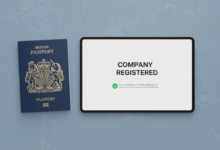


1. The Golden Ticket: Securing the Right Visa
First things first: you cannot legally run a business in the UK if your visa status doesn’t permit it. Following Brexit and the overhaul of the UK’s points-based immigration system, the landscape has changed significantly. If you aren’t a British citizen or don’t have settled status, you’ll likely be looking at one of these key categories:
The Innovator Founder Visa: This is the primary route for entrepreneurs. Unlike previous versions, it no longer requires a specific minimum investment fund (though you still need enough to support your business). The catch? Your business idea must be endorsed by an approved body to prove it is innovative, viable, and scalable.
The Skilled Worker Visa: While primarily for employees, some entrepreneurs use this if they are being sponsored by a UK-based entity they have a stake in, though this is legally complex and requires strict adherence to salary thresholds.
The High Potential Individual (HPI) Visa: If you’ve recently graduated from a top-ranked global university, this visa allows you to stay in the UK for at least two years to work or start a business without needing a sponsor.
2. Choosing Your Legal Structure
In the UK, how you define your business legally changes everything—from your tax bill to your personal liability. Most expats choose between three main structures:
Sole Trader: This is the simplest path. You are the business. You keep all the profits after tax but are personally responsible for any losses or debts. It’s great for freelancers, but for expats, it can sometimes be harder to prove stability to banks or immigration officials.
Limited Company: This is the gold standard for growth. A limited company is a separate legal entity from you. Your personal assets are protected if the business fails. However, it comes with more administrative ‘homework,’ such as filing annual accounts with Companies House.
Limited Liability Partnership (LLP): Often used by professional services like law or accounting firms, this combines the flexibility of a partnership with the limited liability of a company.

3. Registration with Companies House
If you decide to go the ‘Limited Company’ route, you must register (incorporate) with Companies House. This is surprisingly efficient in the UK and can often be done online in 24 hours. You will need:
- A unique company name (that isn’t ‘offensive’ or too similar to an existing one).
- An address in the UK (this will be on the public record).
- At least one director (that’s you!) and one shareholder.
- ‘Articles of Association’—essentially the rulebook for how the company is run.
Keep in mind that as a director, you have statutory duties. You are legally required to act in the company’s best interest and ensure all records are accurate. It sounds formal because it is, but it’s the price of the ‘limited liability’ shield.
4. Navigating the Tax Labyrinth (HMRC)
Tax is inevitable, and the UK’s tax office, HMRC, is very diligent. Once your business is registered, you’ll need to tackle several different types of tax:
Corporation Tax: Limited companies pay this on their profits. You must register for this within three months of starting to trade.
Value Added Tax (VAT): If your taxable turnover exceeds £90,000 (as of 2024), you must register for VAT. You’ll charge this to customers and pay it to HMRC, but you can also reclaim VAT on your business expenses.
National Insurance (NI) and PAYE: If you plan on hiring employees—or even just paying yourself a salary—you’ll need to set up a ‘Pay As You Earn’ (PAYE) system to handle income tax and National Insurance contributions.
5. Opening a Business Bank Account
This is often the most frustrating hurdle for expats. UK banks are under strict ‘Know Your Customer’ (KYC) and Anti-Money Laundering (AML) regulations. Opening an account as a non-resident or a new resident can involve a lot of paperwork. You will typically need to prove your identity, your right to live/work in the UK, and provide a solid business plan. Many expats now turn to ‘Challenger Banks’ or digital-first business platforms which offer faster onboarding for international founders.
6. Insurance and Compliance
Don’t forget the ‘boring but essential’ stuff. If you have even one employee, Employers’ Liability Insurance is legally mandatory. You might also want Professional Indemnity Insurance or Public Liability Insurance depending on your industry. Furthermore, if you are handling personal data (which almost every business does), you must comply with the UK GDPR (General Data Protection Regulation).
Final Thoughts
Starting a business in the UK as an expat is a marathon, not a sprint. The legal requirements are designed to ensure that the UK remains a fair and transparent place to do business. While the paperwork might feel daunting at first, the ecosystem here is incredibly supportive once you are inside the tent.
Our best advice? Don’t do it alone. Hire a good UK-based accountant and perhaps a legal advisor who specializes in immigration and corporate law. They will ensure you spend less time worrying about filings and more time doing what you do best: building your business. Welcome to the UK market—we can’t wait to see what you build.